Not of the light luminescence of spring, but a darker green now.
When the richer greens are more complicated, and more mature, and heavier.
When the green of the grass is fuller then, than the younger grass, only then are the ants ready to fly.
One evening in July, between the dusk and sunset, when the temperature, light and humidity are just right, and when the grass is long enough and strong enough, to launch them.
Then and only then, can the ants file one by one, and fly into the sky.
Straight up, and into the wild awaiting air for them.
Their first flight with their new, tiny, translucent wings takes their weight and the wind, and takes them high, into the blue sky still. The clouds wait, and the air supports them.
Off they fly, into today and into the summer eve’s blue. And it will be the blue that’s a part of it. When the sky is Maya blue, or cornflower blue, or wait, of course…cerulean.
Some ants are brave and Gung ho. They fly off on the adventure with big, lascivious grins. They can’t wait to mate, and start new colonies wherever they land, far away from the backyards where they started from.
Other ants have summer melancholia and are wistful for their old homes, which were familiar and safe. They feel vertiginous, and nauseous, and teary. They will never enjoy the evening acrobatics, or the free falling or the dangers. They look backwards, towards the homes where they once belonged.
Some ants are neutral: neither excited nor dreading the event. They simply accept it’s what they do, on this one night in July, alongside all the other ants.
All the thoughts and doubts. The awe ants, and doubting ants, sad ants and excited ants, joyful ants and naughty ants, funny ants and deeply, earnest ants.
All flying in the sky, spectacularly.
All the other ants, know the moment of flight from the temperature, the light, the humidity and the way the green grass looks different now, from the luminescence of the spring. But now a darker green, a more mature green and a more complicated colour.
This tremendous journey under azure skies, timelessly.
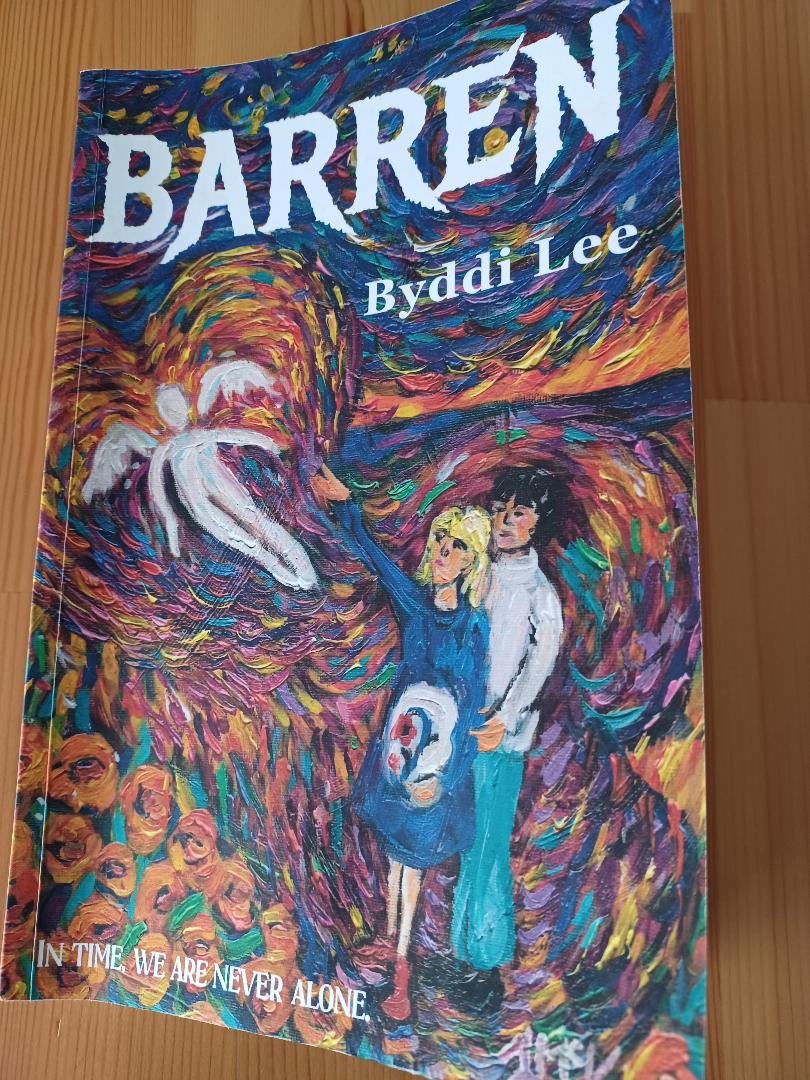
Byddi Lee’s “Barren” is a book about loss, sorrow, love, and hope.
“Barren” is an original story about two women separated in history by 4000 years, and connected by spirits, colours and auras. It’s beautifully written, very funny in parts, and structurally very satisfying as both women return to an axe, and to the foundations of their stories.
Aisling lives in modern day California, and together with her husband Ben, is Trying to Conceive (TTC). Childlessness for both, but particularly for her, is a barren landscape which is becoming more expensive and challenging to their relationship. The external pressures the couple face are the effects of climate change and a profound homesickness, which eventually takes them back across the Atlantic to visit Ireland.
Zosime, meanwhile, lives in Ireland in 2354 BC, and faces the loss of her village. A comet has passed too closely to the earth, and the sun has disappeared. Zosime’s communal loss, her need to “follow the sun” and journey towards the sea, and beyond, is a challenge that she and her partner, Nereus, learn to manage because of their intrinsic hope.
The two parallel stories are connected through plot, colours, prose and humour (one section ends with a ritualistic ceremony involving dead pigs, while another section opens with the couple in California cooking a fry!). And as the two women slowly realise that they are stronger and more capable than they might have imagined, they also start to realise that their own stories can change, and the stories they witness carry their own energies and auras.
“telling our story, and bearing witness to others’ stories…”
The juxtaposition of a very modern, realistic story of two Irish people living in California could be jarring against a neolithic story of hunter gatherers forced from their village, and yet, Byddi Lee manages to take the reader through the landscapes safely. There are moments of magic realism, simplicity and dreamscapes, set against a backdrop of climate chaos, forced migration, deep sorrow and healing.
Byddi Lee has a history of taking care of stories and the stories she witnesses. She is the founder of, and she manages Flash Fiction Armagh, where she promotes new writers, sometimes in the Armagh County Museum, which makes a visit in the last few chapters of “Barren”.
Already described as, “engrossing, immersive and wonderfully constructed” by Donal Ryan, “Barren” is beautifully written, enjoyable and poignant, with great hope and love on every page.
“We don’t come from nowhere, nor do we vanish into nothing. I always knew three facts. I was wanted – in bright shades of flashing yellow – desperately wanted. I was loved – in vibrant shades of swirling pinks and reds – unconditionally loved. And I’d never be forgotten – in shimmering waves of silver – always remembered”. (p.12)
A few years ago, when I first noticed younger people offering me their seats on public transport, I would shake my head and hands furiously and say, “no thank you”. Lately, when offered a seat, I smile sweetly and take it immediately. I don’t care if there are more deserving people on the bus. I barge past them and sit on the throne offered. Then like everyone else on the bus, I open my phone and inhale its content, slack jawed and vacant eye’d.
People on the buses are fascinating.
My favourite seat is the one at the front, on the upper deck. I love the views and there’s extra space for my bags, and there’s an unwritten rule that you’re not here to chat or make friends, but simply to enjoy the ride.
I try to avoid the back seat on the upper desk, as that’s where all the mischief makers head. The back seat on the upper deck, is where groups of unruly youths go to vape and play their music loudly, and cause trouble. They’ll scream and laugh and be a nuisance.
The downstairs back seat row is more subdued. This is a cave of safety where the serious gather. It’s here you’ll see people reading books or listening to self-help podcasts. The downstairs front area, meanwhile, is an eclectic mix of older people, tourists and drug users.
The tourists can be further divided into those wearing decent rain gear and those who don’t know where they are, or where they’re going. Some of them put their suitcases in the carriage near the driver and then regret this decision bitterly. They ask everyone, many times, where O’Connell Street is, and they look both scared and disappointed. They seem aghast at the weather, prices and lack of glamour, and they seem so wildly unimpressed, you wonder what they’d hoped for.
Dublin bus drivers are the most patient drivers in the whole world.
They are tourist guides, agony aunts, mediators, healers and they bestow sacred rites. I love to hear their responses to some questions, including “do you accept dollars,” “is this the way to Belfast” and “do you know my cousin John?” I love watching two bus drivers stop their vehicles on opposite sides of the street, just to say hello, or, how’s it going? I always say, “good morning” and “thank you” to the drivers, and sometimes I wave when I leave.
Nowadays, people enjoy having full blown conversations on their mobiles, on the buses, and they don’t mind who listens in. Sometimes the conversations are incredibly personal or scrappy or illegal. Sometimes, more than one person is on the phone, almost screaming down the line: and like a bar after 8.00pm the noise gets exponentially higher and higher.
Eventually, one of them yells, “I’ll call you back later, I can’t hear myself think on this bus”.
When did we, as a species, learn not to be alone with our thoughts for more than 17 seconds at a time?
I feel like it happened lately, but perhaps I’m wrong.
Like children in the nursery, we need the constant reassurance, company, approval and entertainment of the ever-fixed blue light, and that sense of comfort that scrolling gives to us. Rock us silently to sleep, friendly phone, remove our discomfort, boredom and stress, help us manage the pain.
Beep, beep, ping, ping.
A place for all the thoughts of all the people, all the time. A magic hat of all the feelings and all the facts and all the fights. A goldfish bowl of stale cold water, with bits of rotten dead fish fins in them.
A mirror, a window, a light, an overfilled bin.
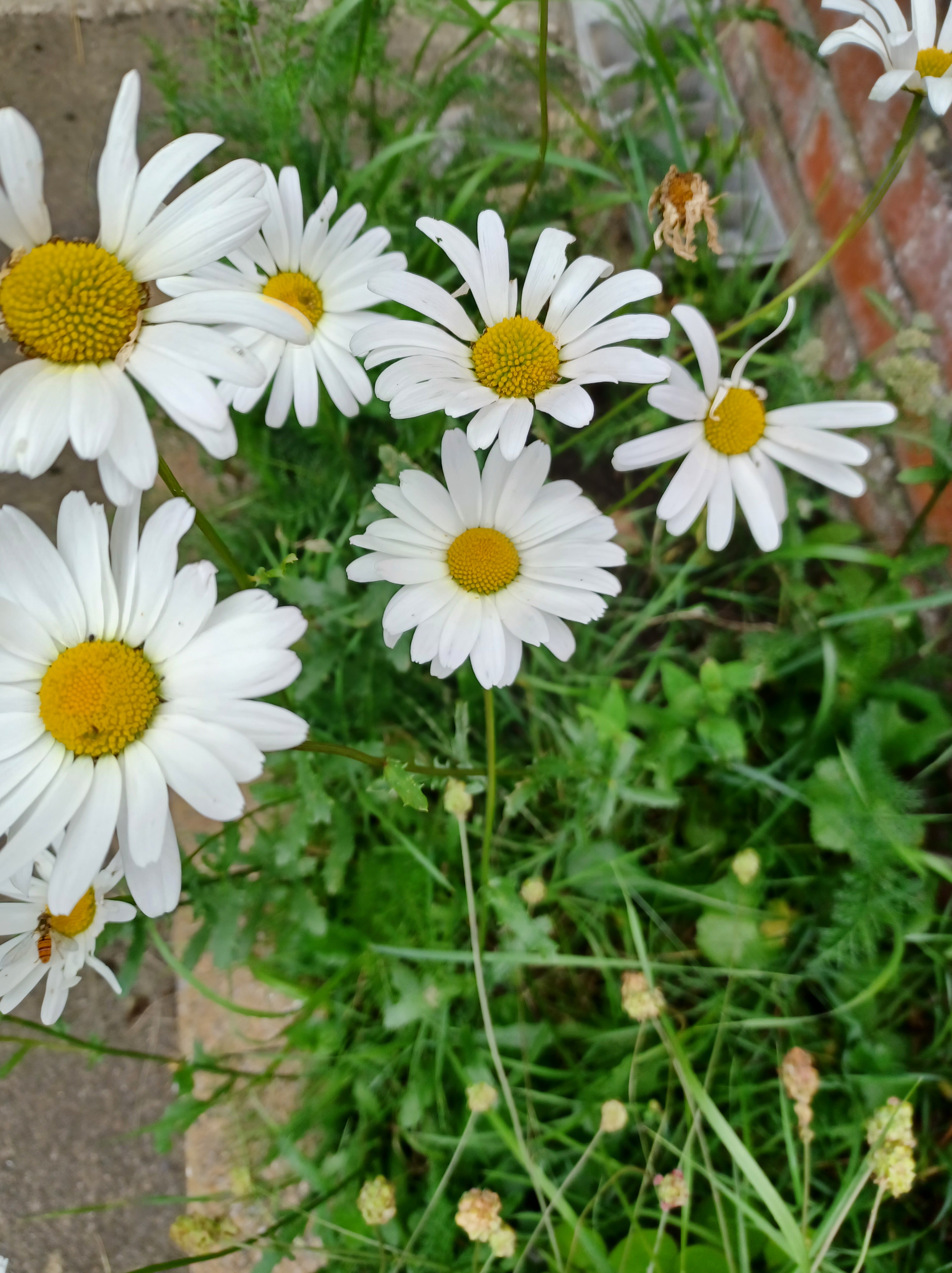
In time, the daisies in the garden are not entitled.
They stand, in these weeks protecting those we can’t see, from the wind and rain. Their petals so soft to the touch. They remind you of a satin edged blanket, that comforted your chin, in your childhood bed. Or the forehead of a puppy from a farm, you can’t remember the name of just now. But strangely, the sounds from the horseshoes in the stable, has come to you.
Hay smells of summertime.
And when you wake and sleep at light time, while other street noises continue, you have the sense of being watched over.
Minded by the daisies.
The bicycle wheel white petals are also Flamenco dancers, in part, with wild arms flaying to music. Or sleeves on silk dresses. Their tiny yellow heads, move, and like lighthouses for the snails and slugs, or umbrellas for the hotter days.
Exhausted from their journeys through the dark earth and clay, until finally they sing, “hello, we are here”.
Unordered, delightful daisies, swaying in the back yard for us and for them.
You can’t have a country as green as ours without the falling water.
You hear the rain splashing down on asphalt, on the windowpanes of the houses and buses. It’s part of the soundscape and a background track for this city.
Some weeks ago, the sound of the city was the shouts and chants of people demanding that migrants like me, go home! The protesters carried banners of anti-migrant poster boys, like the Presidents of the United States and Russia and an Irish marital artist, recently found guilty of rape.
Some of the protesters carried crosses, even though St Patrick himself was a migrant. As was Jesus.
Some of the protesters wish to go back to a time, before the migrants came to this rock on the edge of the Atlantic. They long for the 1980s, which was a decade of famous tranquillity, fairness, equity and justice. They believe there were no house shortages or unemployment in the 1980s. Their memories state that Ireland was a heavenly garden of Eden, with no addiction issues or poverty, in that special decade.
Some of the protesters wish to go back further.
They liked it better when nice, white, Irish women and nice, white, teenage girls could have nice, white, babies with Irish men. No abortions, no trans rights, no mixed-race children!
I’m not going to listen to their sounds anymore.
I’m not going to listen, anymore, to such words of people, who tell me that their Aunt Mary-Kate went on the anti-migrant march but isn’t anti-migrant.
Aunt Mary-Kate can go and fuck herself!
I can’t be arsed making excuses for Aunt Mary-Kate anymore.
When did it become my job to explain to Aunt Mary-Kate that the engine room of this republic is staffed by migrant workers? Without us you can close the creches and the cafes and the care homes. Don’t try and use public transport or taxis without the migrant workforce. Good luck getting your takeaway prepared, cooked and delivered to your home, and don’t be surprised when hospitals can’t function, without migrants like me.
It’s not my role, to highlight the irony to Aunt Mary-Kate, of this country’s history of migration. Will she bring new posters to the next march, that say, “Stop the Norman Invasion!”, “Vikings Go Home!”, “Irish Diaspora Return – NOW!”
And where does she want us to go, this Aunt Mary-Kate?
We can’t go home, when we are home.
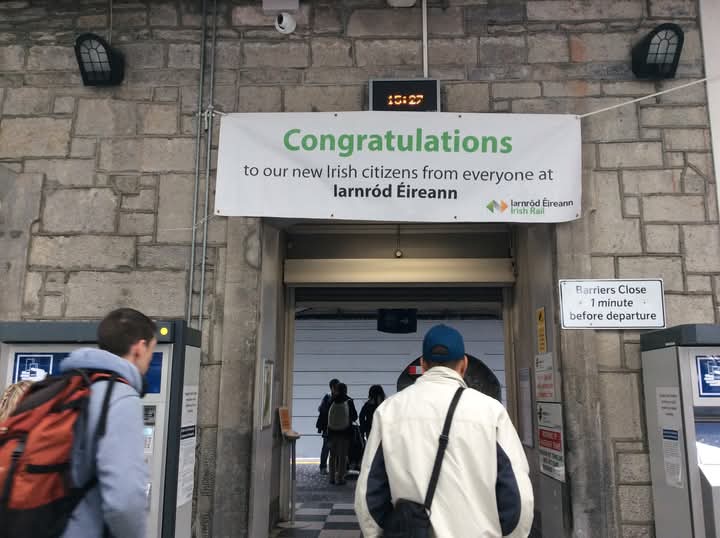
I became Irish seven years ago and in my citizenship ceremony, retired Supreme Judge Brian McMahon, told us that we were as Irish as anyone born here.
But you can’t say this to Aunt Mary-Kate, who thinks that facts are fake news, and that discourse and debate are methods to silence her right to free speech. You can’t use reason and rationale with someone who puts their fingers in their ears and shouts back, “this new way isn’t fair!”
The sound of Dublin is rain, and laughter and stories, within the craic agus ceol. But the sound from O’Connell Street, that day frightened me. They hate me because of the accident of my birth, not because of my own hatbox of contradictions and sins, but they pre-judge me because of where my parents had unprotected sex.
It chills, me, this sound of people who hate me. The sound is so menacing and so large. And so I become quieter.
We’re an orchestra of correlated mammals in a unified living system, and so with a deep breath, love and wide-open kindness, I come back to Aunt Mary-Kate and I try to explain again.
Perhaps this time I whisper.
Our synchronised sounds can be beautiful flute music, or hellish discord.
Even the older trees have memories and want to live well.
The robins bathe, at sundown so that their feathers can make the flight, and we are alive now.
The staggering pain of this life is only balanced by its incomparable beauty and joy. The open secret, if there is one, is to experience both.
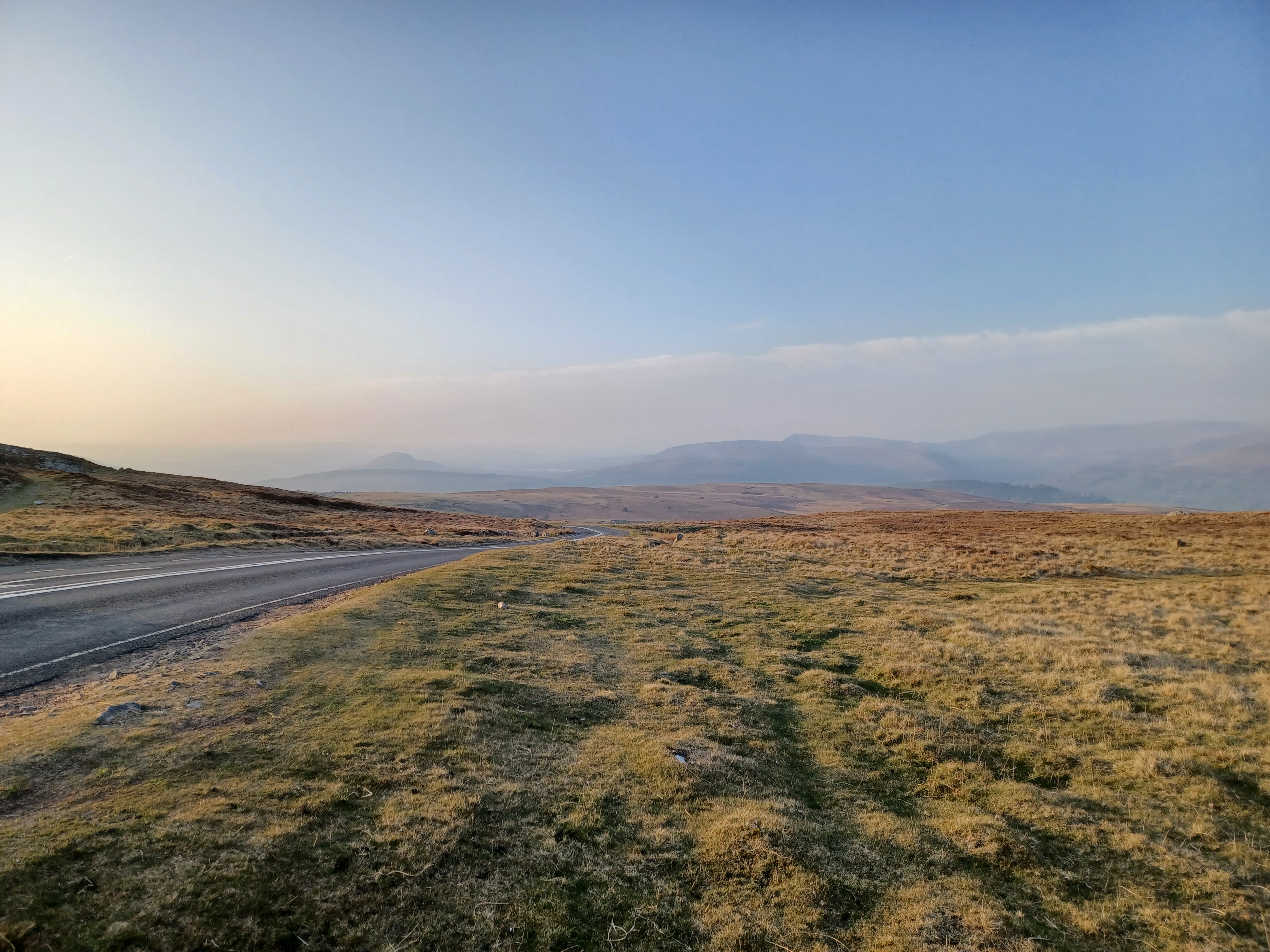
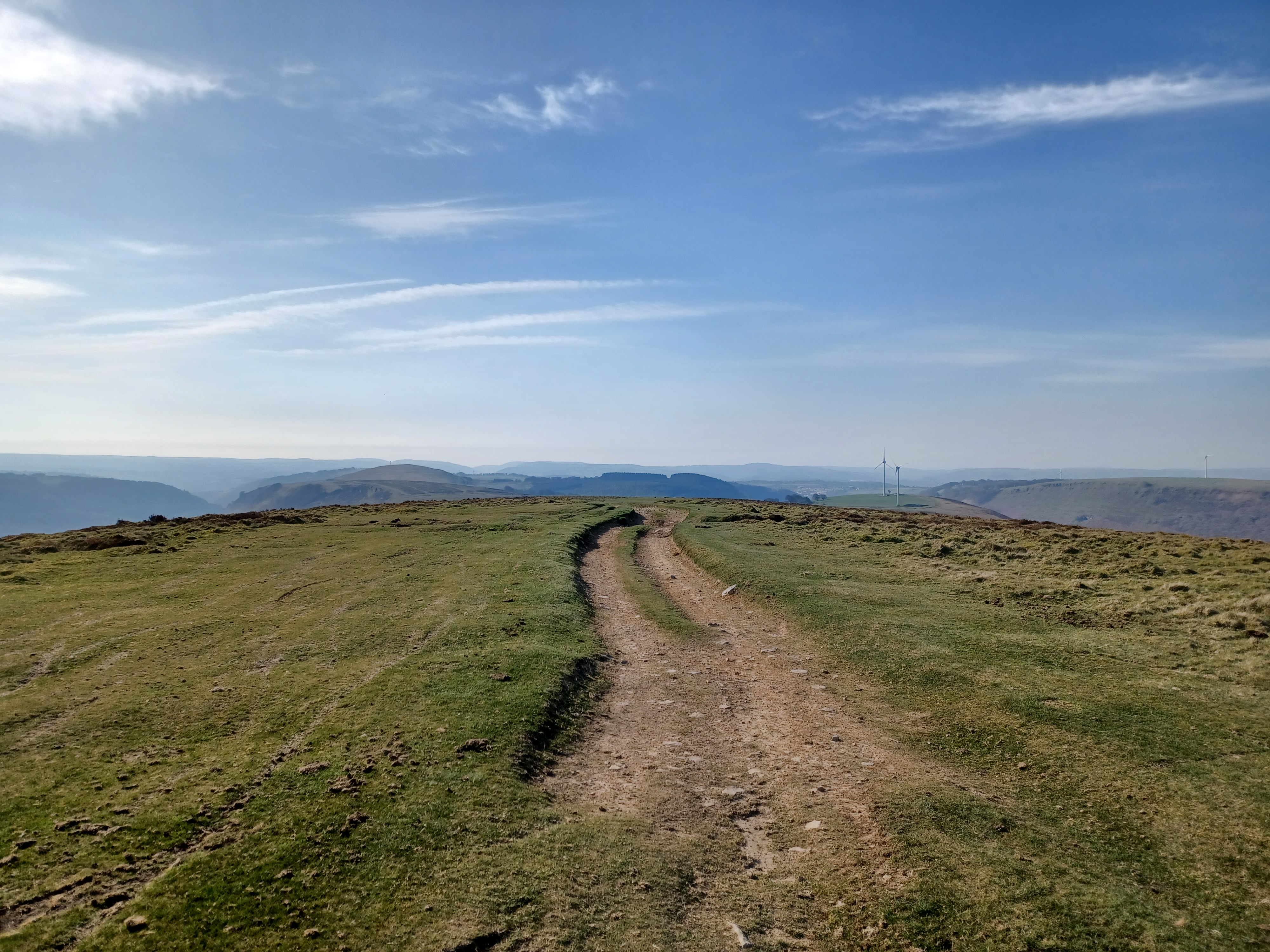
Last week, at dusk, on the Llangynidr Moors, the view of Llangorse Lake seemed like a semblance of a dream. Its ancient sunset sauntered over the horizon and into eternity.
It’s beauty reminiscent of a memory from before.
The mystery of it all, is that it was made so beautiful: it didn’t have to be so symmetrical, and so pleasing to look at.
Sometimes, it’s easier to remember the purest of all loves. We are alive right now, and this feeling is joy.
All is thank you.
You remember not why, or how, but when.
When the songbirds bathe before sundown, and the river otters prepare their food. Foxes and owls, respond to the light of the salmon-coloured sunset, and they too are nostalgic for their dreams.
When at other times, on the Llangynidr Moors, looking over at LLangorse Lake, the view is obliterated by clouds so low down, that they feel like fog. When even the Anfanc, from the deep waters of the lake, is too tired to move. When the Anfanc growls and scowls it does so with vanity and pointlessness and greed! Its ugliness terrorises the twilight, until it sinks to the bottom of the lake again.
When it’s all rain and no view at all, the density and magnitude of the time makes us afraid and sad.
Sometimes, looking at Llangorse Lake from the Llangynidr Moors, we see where the magic lives and how the mystery is yet part of the medicine. The softness whispers to us that the earth is here to hold us. A fox makes a cradle from the ground, and as he turns to the earth to rest, he is a guardian of the soil. Waiting for him to wake again, and letting the world be marvellously unfixable, as it drifts between day and night, dusk and sunset.
Many years ago, during a summer holiday in Italy, I found myself on a tour of the most famous volcanic eruption in the world, Pompei. Like everyone else that day, I found the remains of the town a mix of fascinating, beautiful, horrific and, in eerie ways that I couldn’t understand, poetic. Our tour guide took us down streets, and into fragments of lives, that all ended the day that Vesuvius erupted.
One woman, an American walking closely behind me, wanted to know if there were any survivors of the tragedy, who might be still alive. Maybe they lived in a small village nearby, and maybe we could talk to them?
It’s easy to tease American tourists, when they ask questions like these and of course, it’s mean spirited and unkind.
When American tourists come to Ireland, they do so often times, because they have Irish ancestors or want to see Connemara or they have a romantic view of Dublin. They are incredibly pleasant, chatty, open and they tip well. They are super polite, when asking for directions or wondering about recommendations.
But some say harsh things about Dublin, such as, “Dublin is nothing to write home about!”
Dubliners see our city as a beloved family member, or dear, old friend. We can criticise the housing crisis, rise in crime, rain, traffic, food, prices and the rain again until the Kerry cows come home, but woe betide anyone else should do so!
When American tourists talk poorly about our capital, or indeed, when anyone from outside the pale speaks badly of it, we skulk, and frown and look away and say under our breaths…“aithníonn ciaróg ciaróg eile”.
Dublin is the best city in the world.
This is not for the Instagram competition but for the more intangible reasons such as the craic, live music, poetry, and soul of the place, that makes you feel alive when you’re here.
Some aspects of the city are unforgivable, such as housing policies and the rise in xenophobia that affects me, and all the other migrants. But I love the eruptions of significance that happens every time one Dubliner makes another Dubliner laugh.
Better than that, when one Dubliner makes another one smirk!
Before the English came to Dublin, or the Normans or Saints or Vikings passed through, and even before the Celts, the dragons lived here. When they breathed, the lava erupted and everyone knew it was true, and everyone sang songs to make them sleep.
But even then, it seemed like a difference of sorts, and I can’t understand what happened next.
A man in a wheelchair moves between the cars that are stopped for the red lights. He shakes his paper cup of coins and asks for more. The drivers tell him they don’t have any spare change, and they say it from behind closed windows. When the lights change to green, they drive away from him, on O’Connell Bridge, in the centre of Dublin.
A man rummages in a bin looking for empty plastic bottles, that he can return for their deposits. He rescues four, and puts them in his bag, that is filled to explosion with empties already. His hands are dirty, and his hair is matted, and his clothes stink of street, and shit, and horror. He takes his bag of bottles and moves onto the next bin, to look for more.
A woman talks loudly on her mobile phone and explains that she is on her way, to collect her pay.
“You can have the lot,” she says, “I can give it you directly, just meet me there!”
She is rushing through the crowds, to give away all her money, so that there is nothing left.
To begin so far behind, feels like free falling.
Feels like drowning in fire.
Dublin is being cooked slowly; stewed in its own fat and poison and is becoming inedible.
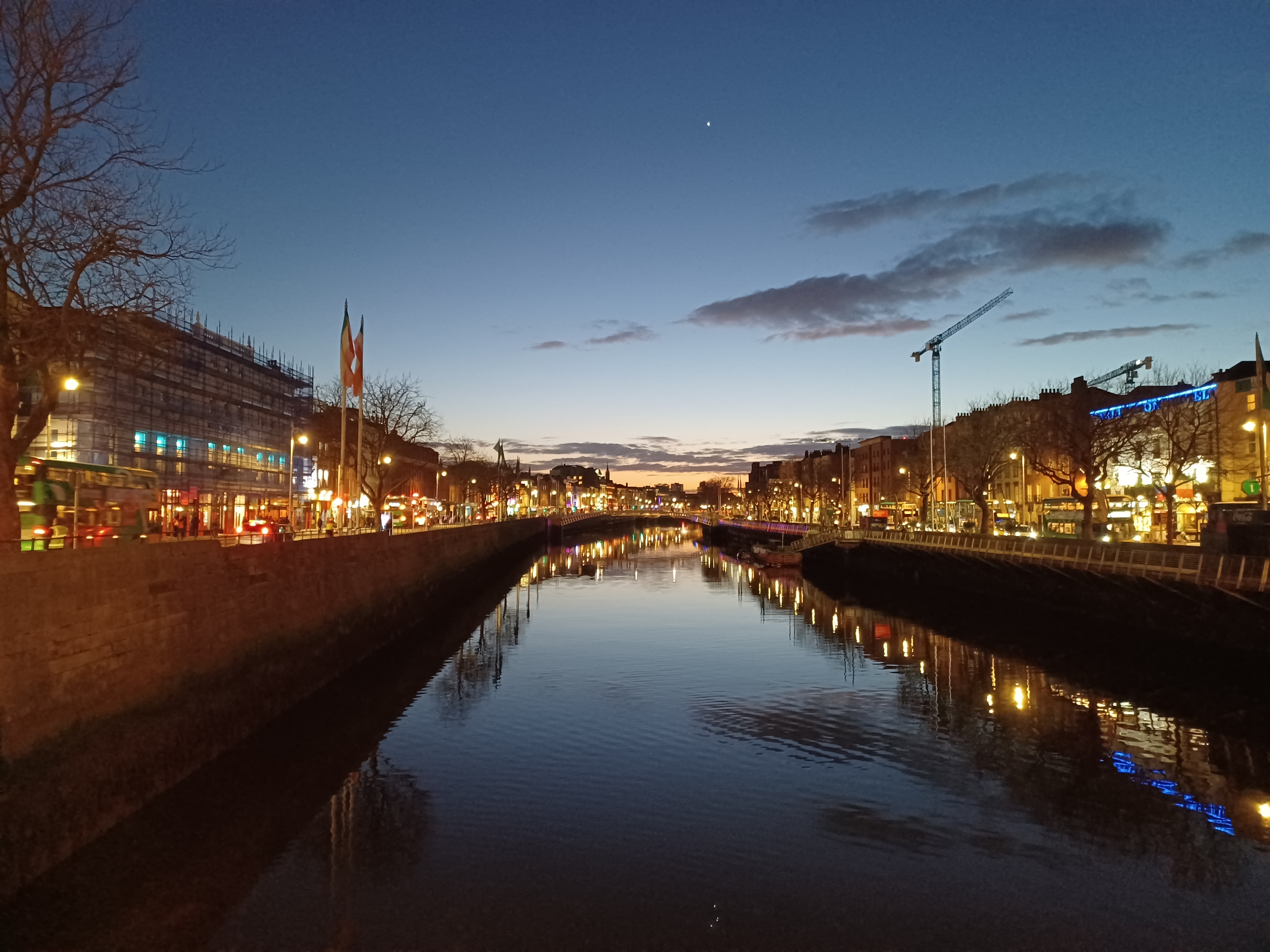
The Liffey should be raging in a blaze of anger, to make shame of the violences and grim meanness we live with. The “Ireland that we dreamed of” was full of storytellers, dancers, and wild free singers.
There was a time, in February, when the sun didn’t shine for 11 whole days.
Met Éireann kept a day count of how long it had been without the sight of sun rays, and everyone collectively sighed. Most Dubliners didn’t even notice for a week, such is the greyness of winter, in this city.
But as a longer time came, people felt ill at ease.
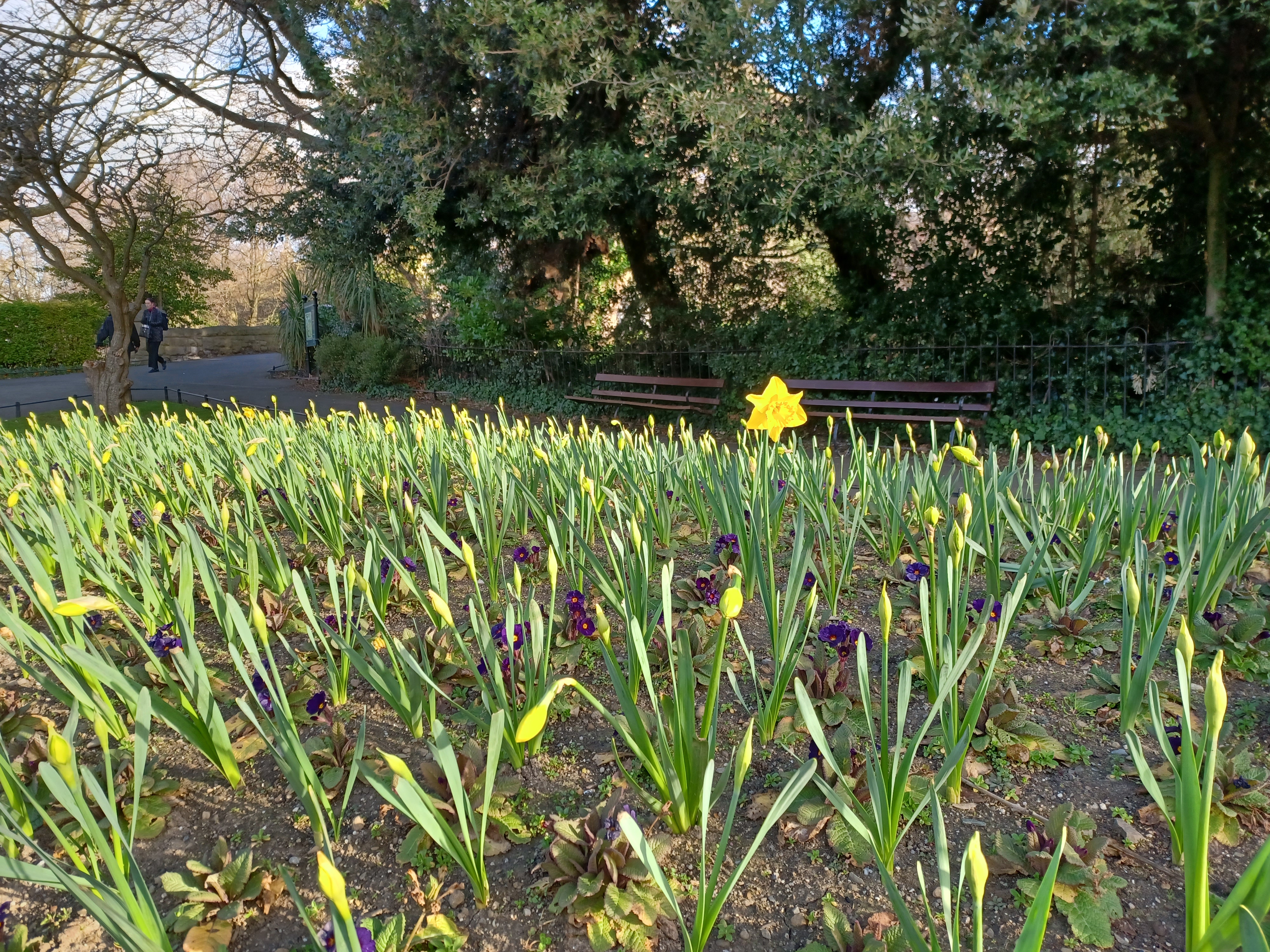
The lack of light, and endless dense foggy cloud made the Dubliners less chirpy and less able to demonstrate the famous craic agus resilience. But the sun did come back, and now all the daffodils are sitting up straight, while the birds busily make their nests and there’s enough heat in the day, for the humans to go about their business.
In Dublin, at the first sight of the spring sun, it’s common for people to throw off their clothing, as though following an ancient form of ritual.
“I have no need for these hats, scarves, gloves and other garments,” those people say. “Indeed, I have no need for socks or tights, or long-sleeved tops! Let me celebrate the sun by wearing shorts and t.shirts and opened toed shoes! I AM SPRING”.
Watch them standing tall like the daffodils, the people, in the sunshine.
Others have come back to the city: the short-term tourists, and the English language students, and the swallows. You see the students with their bewildered expressions and matching language school rucksacks. They have no more interest in learning the language than the man in the moon, but they like shopping at Penny’s and kissing people from other schools. They complain about Irish food and the weather. Their exhausted looking, anxious teachers chaperone them around the streets and try telling them about the Irish revolution, Molly Malone and Bono.
The students are not interested in this content, currently.
If the students come from the Mediterranean, they struggle all the more when they see Dubliners walking down O’Connell Street without much clothing. They take photos of the anomaly to show friends and family back home. They caption the photo with the phrase: just look at them!
Meanwhile some daffodils came up too soon this year: they popped up out of the ground in the first week of January, and now they are all gone. They were frozen over in January or blown away in February. But the spring daffs, the ones that waited for the sun, they are the ones on full display now. The patient ones, the ones with an end game.
The daffodils are of no use to birds or the pollinators, but they make the humans happy. Humans love how the flowers reflect the sun, and nod their heads, and respond to light.
The daffodils reply, “look at us! Here we are again! Aren’t we beautiful and a little bit divine! Admire us please!”
Meanwhile, the sun watches over it all again, another hustle spring, another season of growth.
Everything is waking up again.
And in the quiet of spring, the sun replies, “it was always me”.
Last week, as I was walking down O’Connell Street, a young man unzipped my rucksack and popped his hand into my bag to try and take my purse. I didn’t notice his movements, which were as light as a ballet dancer’s. I didn’t feel his breath on my neck, nor did I hear him. I didn’t feel any difference in weight or speed as I walked at my normal pace, and he walked just behind me.
What I did notice was that two other men, two plain clothes Guards, swooped in and stopped him, mid-crime. One man took the would-be-thief, over to the Public Order Van, parked next to the Spire. And the other plain clothes Guard walked me over to the wall of the GPO, to ask me some questions, and take my details.
The man had to tell me a few times, that he was a plain clothes Guard, as I wasn’t sure what was happening. He told me to check inside my bag, which I did, and I reassured him that everything was fine. He wrote down my name, address and telephone number, and again, I told him that I felt OK.
Dublin has a poor reputation these days.
Everyone criticises it for being dangerous, unpleasant and harsh. I’ve been like an eternal ex-girlfriend, singing its praises and defending it, despite the reality unfolding in front of me. I see the correlation between political neglect, inequality, rising prices and a rise in crime. But as it’s been my home for half my life, I still hate it when people are mean about it.
That said, when I was nearly the victim of crime last week, I wondered if it was time for even me to finally say, “Dublin is shit”.
The plain clothes Guard finished writing down my details. Then he asked me where I was going for the evening and so I told him that I was on my way to my writing group. I explained that it was more of an open-mic event, than a traditional writing session, and that it was filled with eclectic and inspiring writers.
He nodded and said, “well good luck with that Ruth, and tell me are you more of a poet or a prose writer?”
“Both!” I said enthusiastically. “I’ve always written short stories and flash fiction or vignettes, if you will. But recently I’ve started experimenting with poetry and I’ve had two poems published in a magazine called “Flare””.
“That’s really wonderful”, the plain clothes Guard said to me encouragingly. “Keep it up!”
…and our thief, what about him?
He needed to take something that didn’t belong to him.
There were at least 20 uniformed Guards on patrol that evening on O’Connell Street, and so his chances of getting caught were enormous. Nevertheless, he thought it was worth the risk. I don’t look like the sort of person who would have a lot of cash with me, or a fancy new phone, but he thought it would be worth his while to see what I was carrying. Even if he had been successful, all he would have stolen from my bag was 20 euro, a Leap card, a 4-year-old phone, and a poem.
He risked it all for that.
Later, after the writing session or open mic event, I walked back down Dame Street to take a bus home, and I saw plenty more Guards in groups, around the city, keeping its residents and visitors safe. As a woman, walking to a bus stop alone in the dark, I was happy to see little groups of Guards. But wouldn’t it be cheaper and better if we just made the city a little easier to live in, so that people don’t have to choose a life of crime?
Couldn’t we just have a city where everyone had a home, no one needed to queue for food outside the GPO, and no one needed to try and steal from passers-by? Where everyone had enough comfort and security to be able to call their lives, “real living”, and where we all looked after one another?
Ireland is one of the richest countries in the world right now, with full employment and a big bank balance thanks to the Apple tax. If we can’t accommodate everyone now, and give those who need a little extra help, a little extra help, then shame on us.
The place I call home is magnificent.
But it could be so much better and brighter for all.


 Shorter than me