She was packing up children’s story books earlier today when it was foggy and dull outside. The packing had taken all afternoon. She developed a system where she could neatly bundle packages of 30 books together into tightly closed boxes. She could then label them, cellotape them and put them into the corner of the room for collection later. She was listening to the radio and was almost enjoying her plod through the 930 story books for children, when she quite violently cut her finger wide open. She popped her finger into her mouth, to stop the blood from staining the boxes, but the taste repulsed her. She thought about locating a first aid box. Could it be in the bathroom? No. Under the black leather sofa that so few people sat on? Oh no. So she tried inside of the far pit of the cupboard, where the books had lived, maybe, just maybe…
She rescued an old water-proof plaster from the depths of a medi-box where she also found a picture. A small hand-painted picture of a village in Tanzania, in reds and browns and oranges. The dust of the roads there, reflected so perfectly onto the yellow cloth in her hand, reminded her of Nathanial. Not Nathan or Nat, but Nathanial who had bought the picture to wish her farewell, and to ask her to remember him safely. And she had carefully remembered him through a couple of seasons and anecdotes over dinners at Christmas. But here he was stuffed away under an old out-of-date first aid kit. Out of sight and so far removed from her mind, it was like she had never seen any colours before, let alone the vivid, splendid colours of Tanzania.
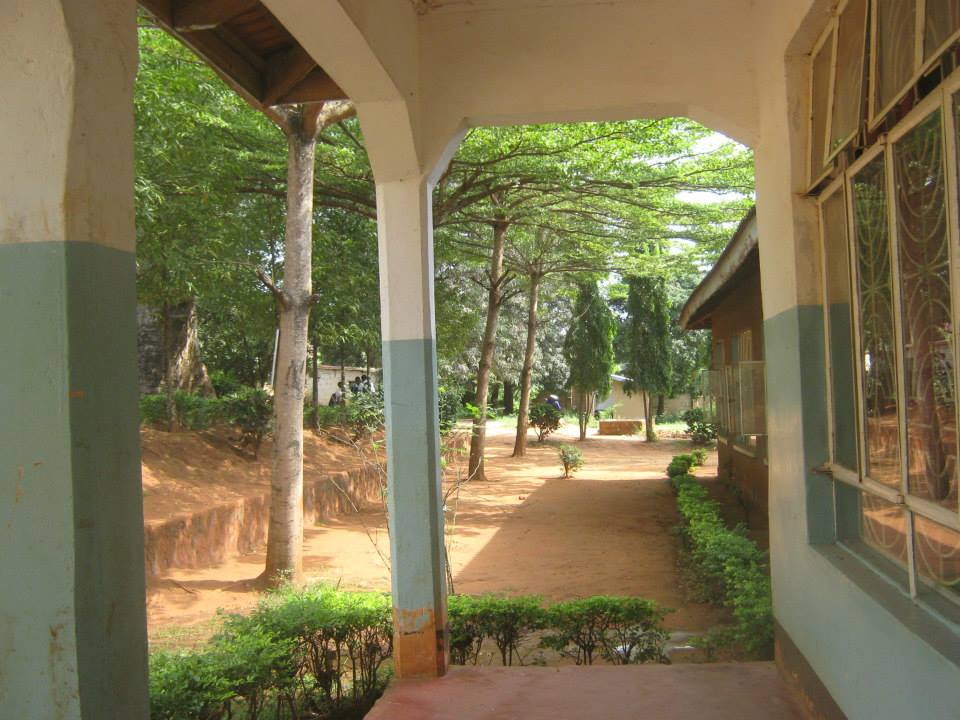
Nathanial was a teacher in a primary school and he loved telling stories to his pupils. They demanded he tell them tales “from his head” and not from the page, so he obliged every day after maths. He would tell them stories about gardens and singing, the ocean near Dar-es-Salam, but their favourite was the one about butterflies.
Nathanial came from a village called Funusi, where they liked to grow butterflies. His sisters and mother raised the eggs, and he helped every summer when he went to his home up north. Together the family would protect the eggs from the dangers of predators and when the caterpillars matured and mutated, Nathanial liked to watch.
“But” he told the children “I have never once seen one change”.
Sometimes, the women from Funusi would sell the larvae directly to owners of botanical gardens, small zoos and petting farms in America and Europe. And when Nathanial told the children this fact, they would laugh and scream and clap their hands. Even the older children in the class, who were concentrating on their letters, would allow themselves a wry smile, despite having heard the tale before.
“The butterflies fly in a plane?” the younger ones would ask.
“Not the butterflies, nor indeed the caterpillars, but the larvae children, the larvae are flown in planes” he would tell them.
Still they would laugh out loud and leave their chairs, punching the air and whistling. Nathanial would allow them to shriek for a while and then he would need to calm them and restore order before the principle came. He would do this by opening his maths book or returning to the chalk board and once again quiet would be redeemed.
Then the children would know that the story was over.
 Shorter than me
Leave a comment