My friend, Katie Moynagh, was the one who told me all about the International Dublin Writers’ Festival, and so it was she who called me to the adventure. Katie writes beautiful poems and short stories, and I enjoy listening to her read them aloud, and I trust her opinions on all things literary. All the same, I declined at first, as I had other plans for that weekend, but as things moved around and I adjusted my diary, I found myself in attendance at the festival, at the Academy Hotel, just off O’Connell Street, in Dublin city.
As soon as I arrived, I felt the fear. What on earth was I doing attending a writers’ festival in Dublin? I wasn’t established, successful, well read or reviewed. I like to write, of course, I do, but what did I think I was doing?
I met Katie in the foyer. She smiled, and said she was happy to see me, and suddenly I felt better. It turned out, no one minded at all, about my status or lack of it. In fact, everyone was far too busy having a great time, to worry about my worries, and soon I didn’t worry either.
There were over 20 presentations over the next three days divided loosely into the creative inspiration of writing, and the business of writing. There were presentations by writers, publishers, agents and companies offering help to writers. The Irish Writers’ Union of Ireland were there, talking about their “Grand Theft Author” campaign, which tries stop Artificial Intelligence (AI) from stealing writers’ work. There were Hollywood screen writers, and a member of the Ottoman Imperial Family.
There was even an improvisation session.
Some writers read their pieces aloud in an open mic session, and I enjoyed hearing Katie read again. Some writers got to pitch their ideas for books and plays to our new friends from Hollywood, and after the scariest 90 seconds, received constructive feedback.
If there was a dark cave, during the weekend, it might be my reluctance to monetise my hobby of writing. I love writing. I’ve always loved writing. I love my daily practice of trying to put into word form, the experiences of being in this world. I try to connect, with my honest, messy and incongruous inner world and try, if I can, to make sense of it. The idea of selling this seems ugly.
And yet, of course, I would.
In a heartbeat, and a nano second and without asking any questions. Which is why I joined the Irish Writers’ Union of Ireland, so that if I ever did get a book deal, someone would read my contract for me and tell me if it was safe to sign.
As well as joining the Union, I bought some books. I made some new friends, and I absolutely adored being surrounded by writers, and people who love the business of writing, for the whole weekend.
I really thank the lovely organiser, Laurence O’Bryan and his team at Books Go Social, and I look forward to seeing everyone next year.
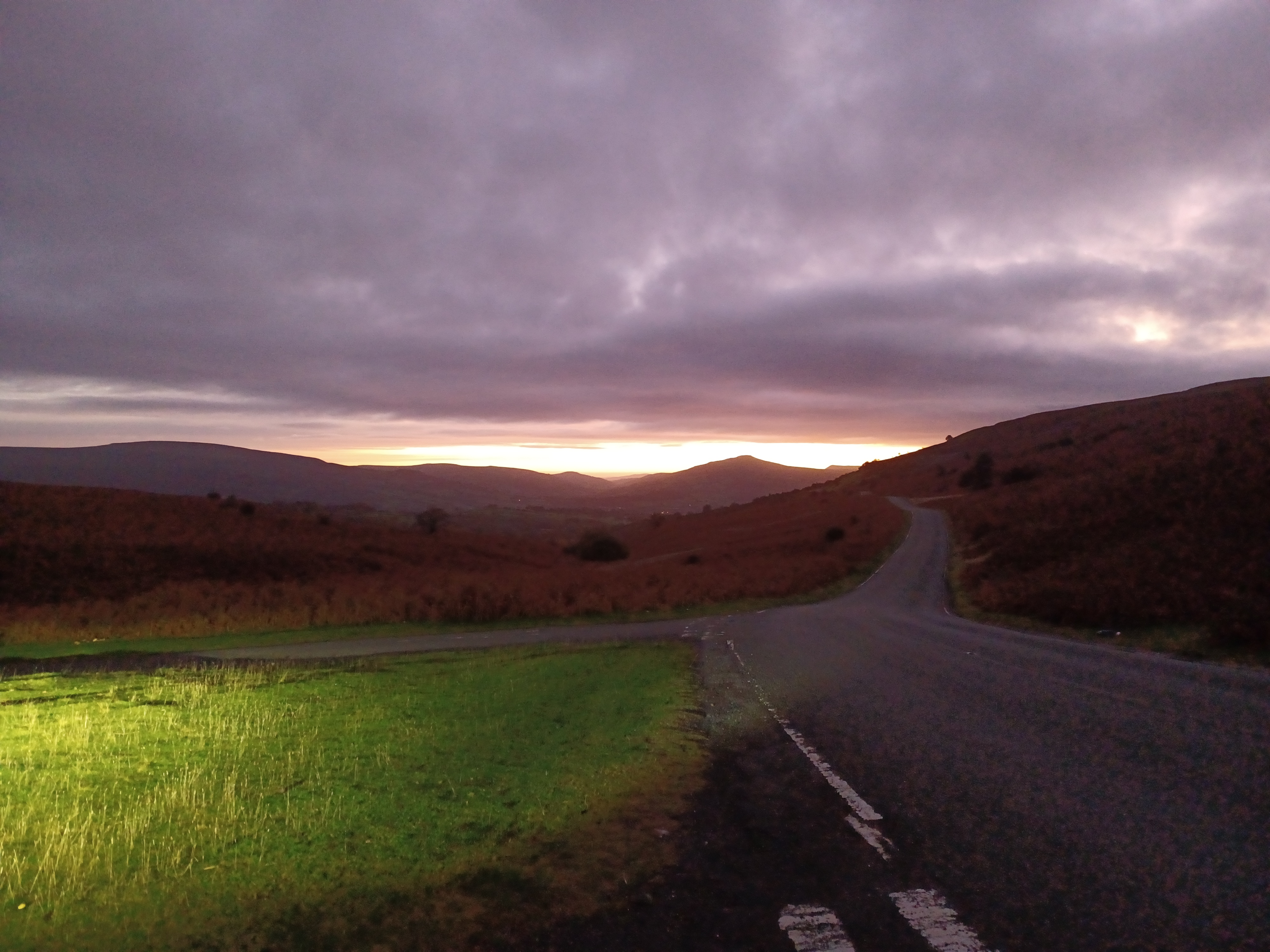
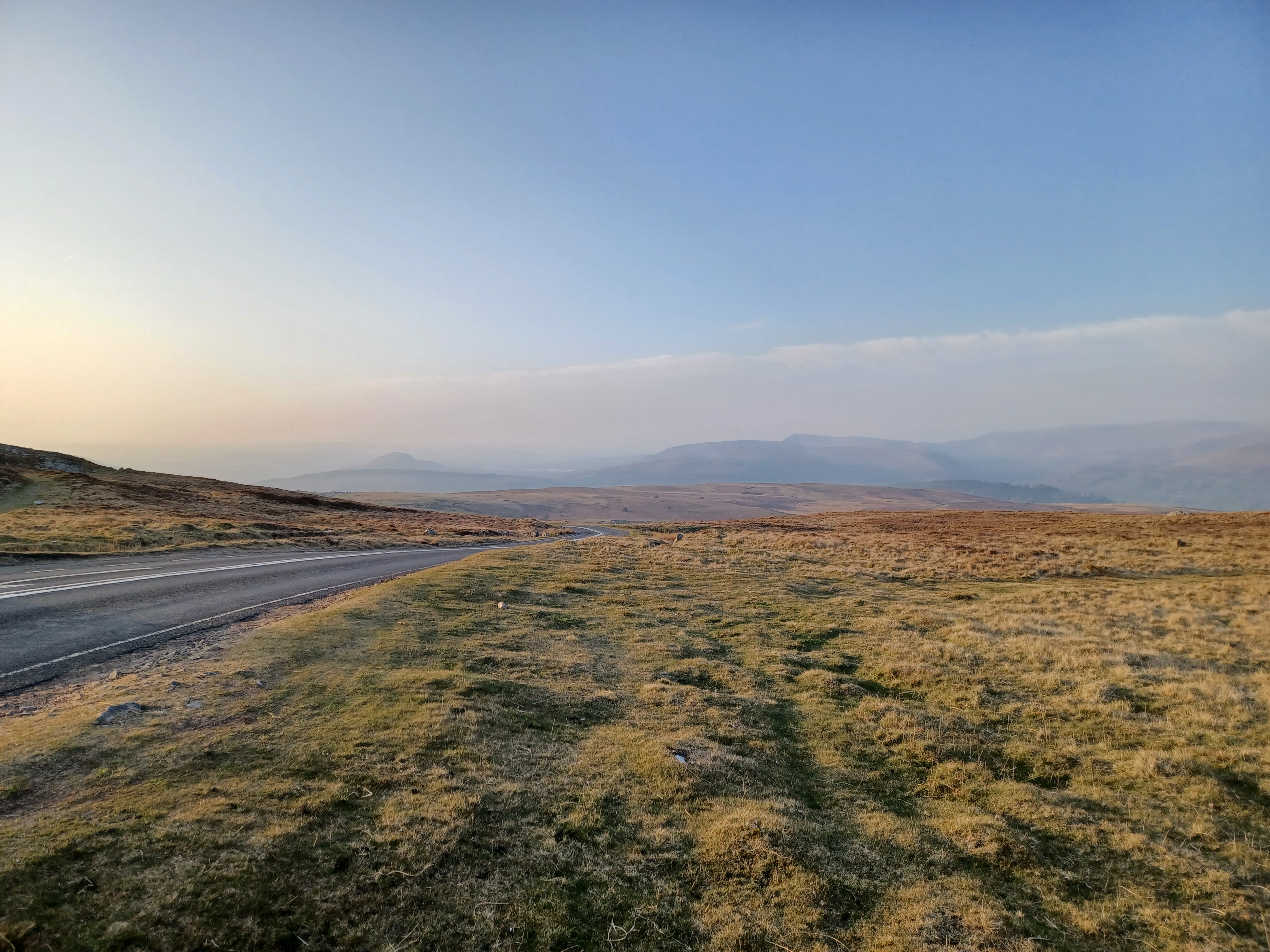
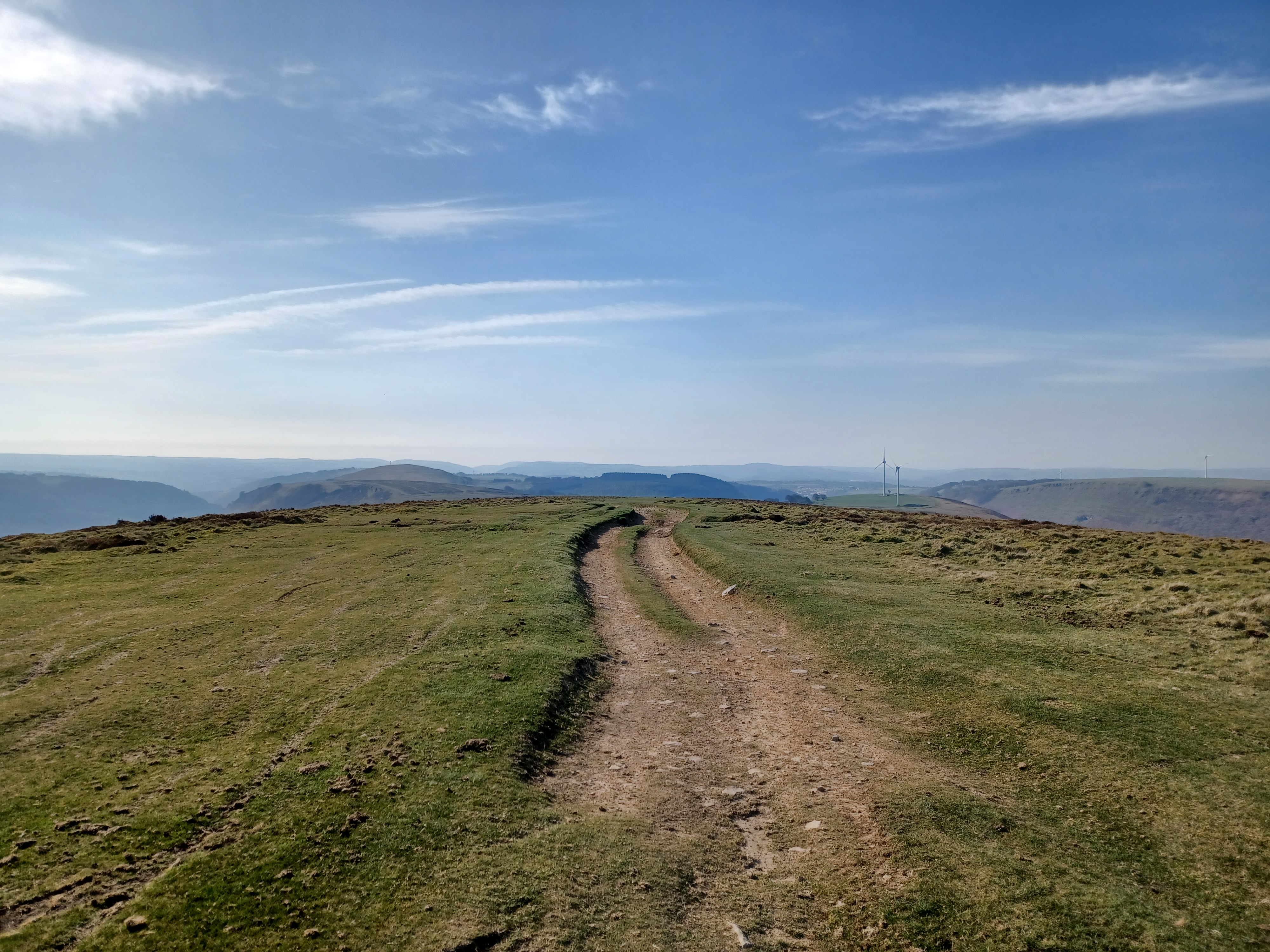
Last week, at dusk, on the Llangynidr Moors, the view of Llangorse Lake seemed like a semblance of a dream. Its ancient sunset sauntered over the horizon and into eternity.
It’s beauty reminiscent of a memory from before.
The mystery of it all, is that it was made so beautiful: it didn’t have to be so symmetrical, and so pleasing to look at.
Sometimes, it’s easier to remember the purest of all loves. We are alive right now, and this feeling is joy.
All is thank you.
You remember not why, or how, but when.
When the songbirds bathe before sundown, and the river otters prepare their food. Foxes and owls, respond to the light of the salmon-coloured sunset, and they too are nostalgic for their dreams.
When at other times, on the Llangynidr Moors, looking over at LLangorse Lake, the view is obliterated by clouds so low down, that they feel like fog. When even the Anfanc, from the deep waters of the lake, is too tired to move. When the Anfanc growls and scowls it does so with vanity and pointlessness and greed! Its ugliness terrorises the twilight, until it sinks to the bottom of the lake again.
When it’s all rain and no view at all, the density and magnitude of the time makes us afraid and sad.
Sometimes, looking at Llangorse Lake from the Llangynidr Moors, we see where the magic lives and how the mystery is yet part of the medicine. The softness whispers to us that the earth is here to hold us. A fox makes a cradle from the ground, and as he turns to the earth to rest, he is a guardian of the soil. Waiting for him to wake again, and letting the world be marvellously unfixable, as it drifts between day and night, dusk and sunset.
Many years ago, during a summer holiday in Italy, I found myself on a tour of the most famous volcanic eruption in the world, Pompei. Like everyone else that day, I found the remains of the town a mix of fascinating, beautiful, horrific and, in eerie ways that I couldn’t understand, poetic. Our tour guide took us down streets, and into fragments of lives, that all ended the day that Vesuvius erupted.
One woman, an American walking closely behind me, wanted to know if there were any survivors of the tragedy, who might be still alive. Maybe they lived in a small village nearby, and maybe we could talk to them?
It’s easy to tease American tourists, when they ask questions like these and of course, it’s mean spirited and unkind.
When American tourists come to Ireland, they do so often times, because they have Irish ancestors or want to see Connemara or they have a romantic view of Dublin. They are incredibly pleasant, chatty, open and they tip well. They are super polite, when asking for directions or wondering about recommendations.
But some say harsh things about Dublin, such as, “Dublin is nothing to write home about!”
Dubliners see our city as a beloved family member, or dear, old friend. We can criticise the housing crisis, rise in crime, rain, traffic, food, prices and the rain again until the Kerry cows come home, but woe betide anyone else should do so!
When American tourists talk poorly about our capital, or indeed, when anyone from outside the pale speaks badly of it, we skulk, and frown and look away and say under our breaths…“aithníonn ciaróg ciaróg eile”.
Dublin is the best city in the world.
This is not for the Instagram competition but for the more intangible reasons such as the craic, live music, poetry, and soul of the place, that makes you feel alive when you’re here.
Some aspects of the city are unforgivable, such as housing policies and the rise in xenophobia that affects me, and all the other migrants. But I love the eruptions of significance that happens every time one Dubliner makes another Dubliner laugh.
Better than that, when one Dubliner makes another one smirk!
Before the English came to Dublin, or the Normans or Saints or Vikings passed through, and even before the Celts, the dragons lived here. When they breathed, the lava erupted and everyone knew it was true, and everyone sang songs to make them sleep.
But even then, it seemed like a difference of sorts, and I can’t understand what happened next.
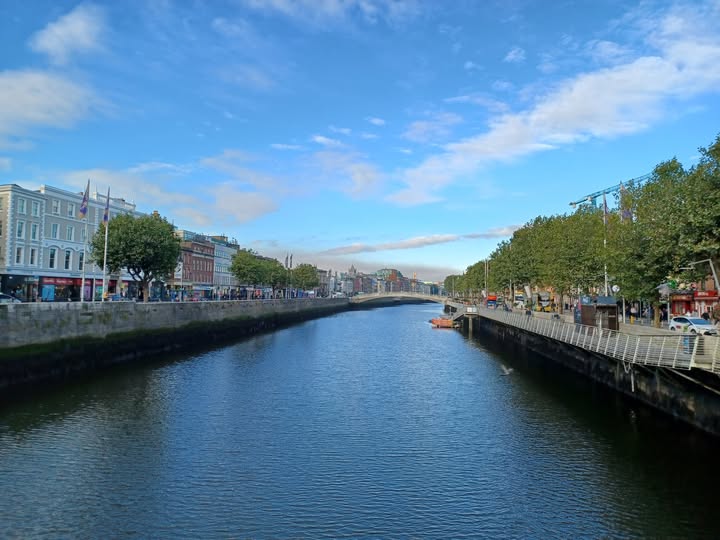
A man in a wheelchair moves between the cars that are stopped for the red lights. He shakes his paper cup of coins and asks for more. The drivers tell him they don’t have any spare change, and they say it from behind closed windows. When the lights change to green, they drive away from him, on O’Connell Bridge, in the centre of Dublin.
A man rummages in a bin looking for empty plastic bottles, that he can return for their deposits. He rescues four, and puts them in his bag, that is filled to explosion with empties already. His hands are dirty, and his hair is matted, and his clothes stink of street, and shit, and horror. He takes his bag of bottles and moves onto the next bin, to look for more.
A woman talks loudly on her mobile phone and explains that she is on her way, to collect her pay.
“You can have the lot,” she says, “I can give it you directly, just meet me there!”
She is rushing through the crowds, to give away all her money, so that there is nothing left.
To begin so far behind, feels like free falling.
Feels like drowning in fire.
Dublin is being cooked slowly; stewed in its own fat and poison and is becoming inedible.
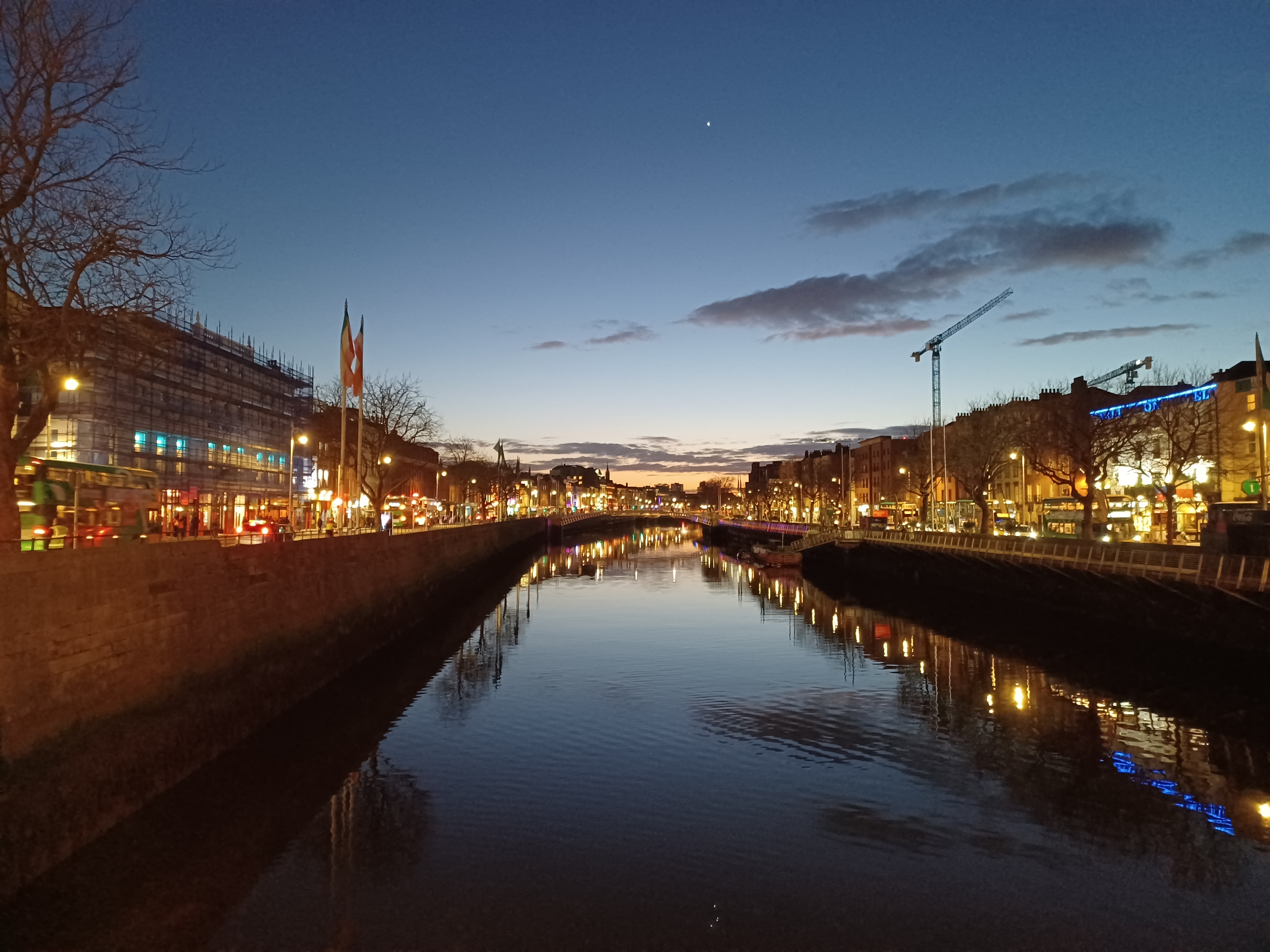
The Liffey should be raging in a blaze of anger, to make shame of the violences and grim meanness we live with. The “Ireland that we dreamed of” was full of storytellers, dancers, and wild free singers.
There was a time, in February, when the sun didn’t shine for 11 whole days.
Met Éireann kept a day count of how long it had been without the sight of sun rays, and everyone collectively sighed. Most Dubliners didn’t even notice for a week, such is the greyness of winter, in this city.
But as a longer time came, people felt ill at ease.
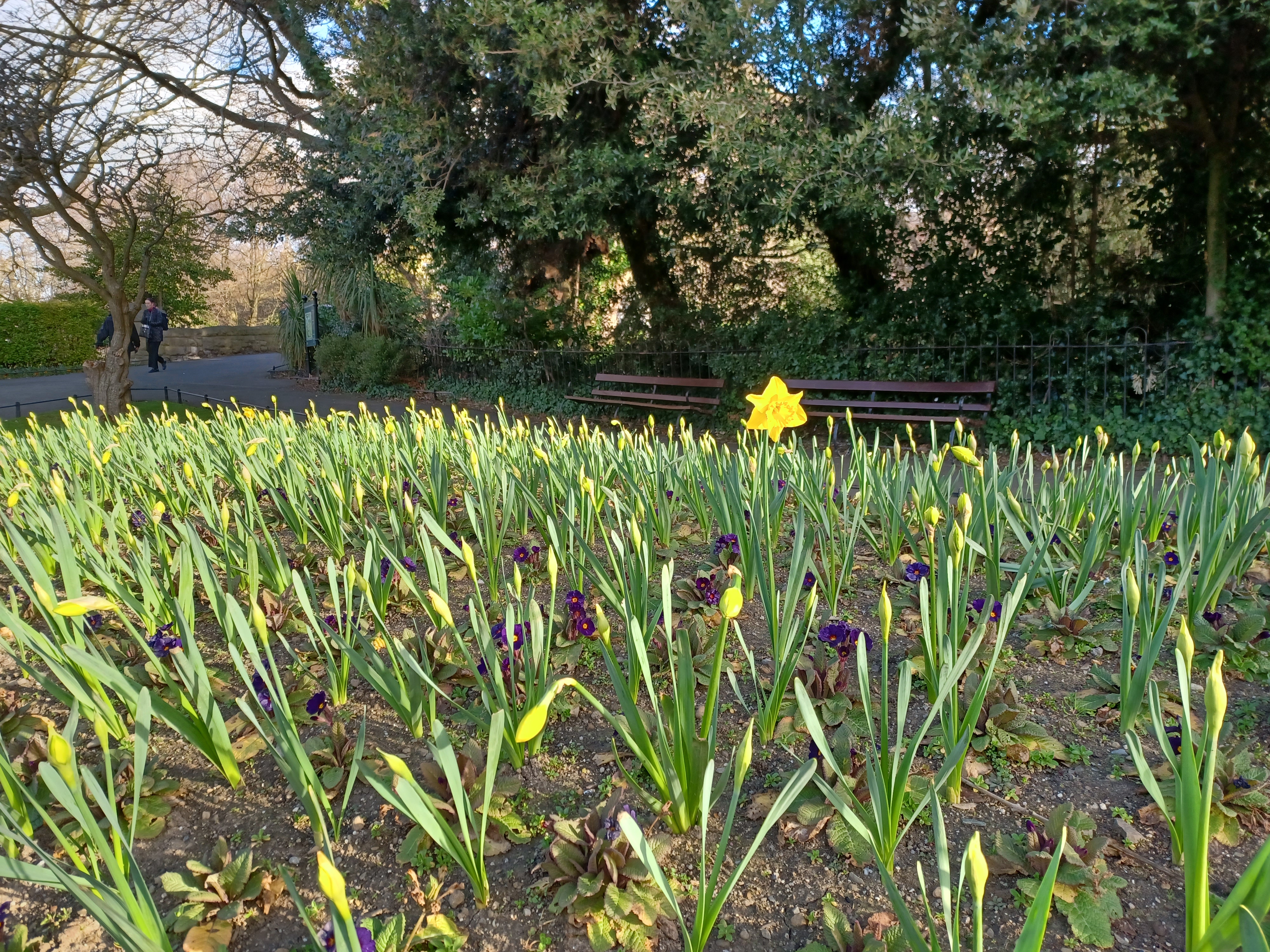
The lack of light, and endless dense foggy cloud made the Dubliners less chirpy and less able to demonstrate the famous craic agus resilience. But the sun did come back, and now all the daffodils are sitting up straight, while the birds busily make their nests and there’s enough heat in the day, for the humans to go about their business.
In Dublin, at the first sight of the spring sun, it’s common for people to throw off their clothing, as though following an ancient form of ritual.
“I have no need for these hats, scarves, gloves and other garments,” those people say. “Indeed, I have no need for socks or tights, or long-sleeved tops! Let me celebrate the sun by wearing shorts and t.shirts and opened toed shoes! I AM SPRING”.
Watch them standing tall like the daffodils, the people, in the sunshine.
Others have come back to the city: the short-term tourists, and the English language students, and the swallows. You see the students with their bewildered expressions and matching language school rucksacks. They have no more interest in learning the language than the man in the moon, but they like shopping at Penny’s and kissing people from other schools. They complain about Irish food and the weather. Their exhausted looking, anxious teachers chaperone them around the streets and try telling them about the Irish revolution, Molly Malone and Bono.
The students are not interested in this content, currently.
If the students come from the Mediterranean, they struggle all the more when they see Dubliners walking down O’Connell Street without much clothing. They take photos of the anomaly to show friends and family back home. They caption the photo with the phrase: just look at them!
Meanwhile some daffodils came up too soon this year: they popped up out of the ground in the first week of January, and now they are all gone. They were frozen over in January or blown away in February. But the spring daffs, the ones that waited for the sun, they are the ones on full display now. The patient ones, the ones with an end game.
The daffodils are of no use to birds or the pollinators, but they make the humans happy. Humans love how the flowers reflect the sun, and nod their heads, and respond to light.
The daffodils reply, “look at us! Here we are again! Aren’t we beautiful and a little bit divine! Admire us please!”
Meanwhile, the sun watches over it all again, another hustle spring, another season of growth.
Everything is waking up again.
And in the quiet of spring, the sun replies, “it was always me”.
Last week, as I was walking down O’Connell Street, a young man unzipped my rucksack and popped his hand into my bag to try and take my purse. I didn’t notice his movements, which were as light as a ballet dancer’s. I didn’t feel his breath on my neck, nor did I hear him. I didn’t feel any difference in weight or speed as I walked at my normal pace, and he walked just behind me.
What I did notice was that two other men, two plain clothes Guards, swooped in and stopped him, mid-crime. One man took the would-be-thief, over to the Public Order Van, parked next to the Spire. And the other plain clothes Guard walked me over to the wall of the GPO, to ask me some questions, and take my details.
The man had to tell me a few times, that he was a plain clothes Guard, as I wasn’t sure what was happening. He told me to check inside my bag, which I did, and I reassured him that everything was fine. He wrote down my name, address and telephone number, and again, I told him that I felt OK.
Dublin has a poor reputation these days.
Everyone criticises it for being dangerous, unpleasant and harsh. I’ve been like an eternal ex-girlfriend, singing its praises and defending it, despite the reality unfolding in front of me. I see the correlation between political neglect, inequality, rising prices and a rise in crime. But as it’s been my home for half my life, I still hate it when people are mean about it.
That said, when I was nearly the victim of crime last week, I wondered if it was time for even me to finally say, “Dublin is shit”.
The plain clothes Guard finished writing down my details. Then he asked me where I was going for the evening and so I told him that I was on my way to my writing group. I explained that it was more of an open-mic event, than a traditional writing session, and that it was filled with eclectic and inspiring writers.
He nodded and said, “well good luck with that Ruth, and tell me are you more of a poet or a prose writer?”
“Both!” I said enthusiastically. “I’ve always written short stories and flash fiction or vignettes, if you will. But recently I’ve started experimenting with poetry and I’ve had two poems published in a magazine called “Flare””.
“That’s really wonderful”, the plain clothes Guard said to me encouragingly. “Keep it up!”
…and our thief, what about him?
He needed to take something that didn’t belong to him.
There were at least 20 uniformed Guards on patrol that evening on O’Connell Street, and so his chances of getting caught were enormous. Nevertheless, he thought it was worth the risk. I don’t look like the sort of person who would have a lot of cash with me, or a fancy new phone, but he thought it would be worth his while to see what I was carrying. Even if he had been successful, all he would have stolen from my bag was 20 euro, a Leap card, a 4-year-old phone, and a poem.
He risked it all for that.
Later, after the writing session or open mic event, I walked back down Dame Street to take a bus home, and I saw plenty more Guards in groups, around the city, keeping its residents and visitors safe. As a woman, walking to a bus stop alone in the dark, I was happy to see little groups of Guards. But wouldn’t it be cheaper and better if we just made the city a little easier to live in, so that people don’t have to choose a life of crime?
Couldn’t we just have a city where everyone had a home, no one needed to queue for food outside the GPO, and no one needed to try and steal from passers-by? Where everyone had enough comfort and security to be able to call their lives, “real living”, and where we all looked after one another?
Ireland is one of the richest countries in the world right now, with full employment and a big bank balance thanks to the Apple tax. If we can’t accommodate everyone now, and give those who need a little extra help, a little extra help, then shame on us.
The place I call home is magnificent.
But it could be so much better and brighter for all.
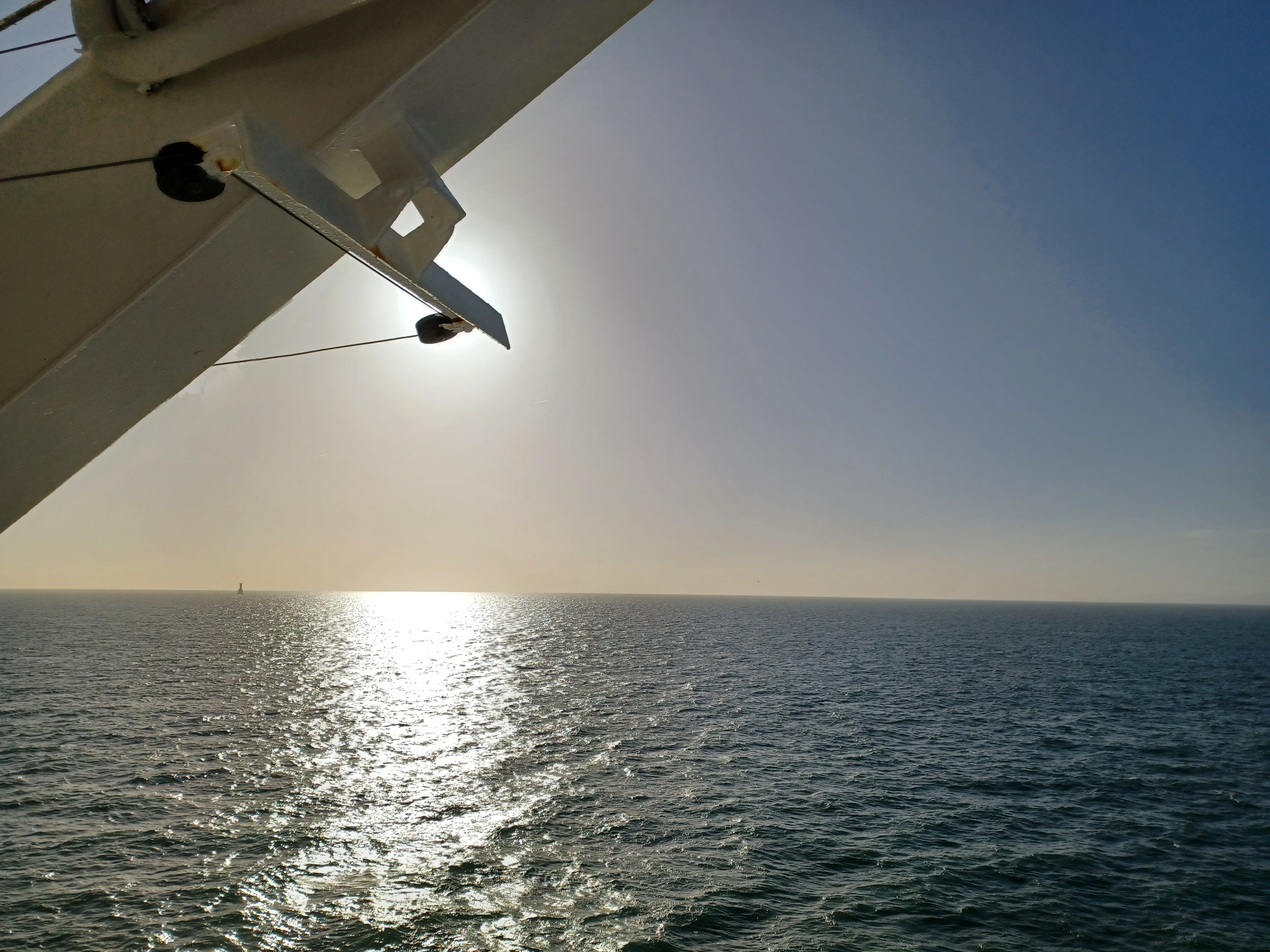
I am on the ferry travelling from Holyhead to Dublin, but this time I’m sitting next to a Chinese family preparing lunch in a portable rice cooker. They’ve asked me, several times, if I want to join them, but I’ve politely refused each time. Instead, I’m eating a dry cheese sandwich, and I would prefer to eat their food because it smells very delicious.
The Chinese family have just watched me come back from the Duty-Free shop and they asked me why I have three pairs of reading glasses. I tried to explain that one pair is for reading books and my mobile phone; one pair is for my laptop screen, and one pair is for reading the prices of goods in shops, or the numbers on the buttons you find on cookers, and washing machines.
The Chinese family have no idea what I’m talking about.
It took me five visits to Specsavers to explain my visionary needs. On the final visit the optician simply put his head in his hands and asked, “what is that you want?”
Oh, gentle eye man, if only I knew the answer to that question.
The Chinese family tell me that they spent the Lunar New Year in Shrewsbury, and I am not clear if they are going back to Dublin to visit family, or if they are flying back to Sichuan. One of them lost their mobile phone earlier, on the car deck, and I’m trying to explain that they should ask one of the ship mates to announce this over the loudspeakers. I’ve suggested that perhaps the Captain might be able to help.
I’m not sure, but I feel like Jessica Fletcher on the verge of unravelling a mystery.
I am currently only five years younger than Jessica Fletcher was when she started fighting crime in her free time in Maine. Like her, I used to be a teacher and have a passing interest in local politics. Like her, I don’t have children and can give disappointing looks to strangers on cue. But this mystery of the missing phone on the journey of the Chinese family, will have to wait, because I am busy writing.
I write, ergo I am a writer.
I love to write. Any words and in any formation and for any reason at all. I write a daily journal and postcards, letters and flash fiction. Recently I’ve started writing poetry and I send my stories off to be read at magazines and publishing houses. Typically, they thank me and say that my piece was good, but that they received a particularly high volume of submissions this time, and that I mustn’t be despondent.
I write for many reasons.
Firstly, to make room in my head for all the new thoughts and words that rush into the space like ice-skaters without helmets or knee pads. If I didn’t manually remove all the words from my brain, there would a traffic jam of letters, and they would all get loose and be mixed up like this: x e f ggggg h k v b fffff
So here I am scribbling in public.
I write about what I ate for dinner and who my main enemies are. I write about the weather and how happy and sad I felt during the day. I write about my plans and then reflect on what really happened after the plans turned into rainwater. I make myself laugh sometimes, with the absurdity of the thoughts as they dash about like gold, or copper or vomit.
I love to write in public.
Look at me! Look at me just writing about it all…maybe I’m writing about you, gentle stranger. You there with the leather jacket that’s a bit too small for you, who’s been drinking the Duty Free since we left the port and is probably an outlaw. Or you, dressed in hemp dungarees with the children and the two dogs. Or you with the older parent in a wheelchair, who probably can’t fly anymore.
I write because I must.
The only writing I don’t enjoy is work emails. I remember years ago, when I still worked at the British Embassy in Copenhagen, and we were going to start using this new thing called, “Email”. One woman I worked with, a woman I liked very much, asked if this new email meant we wouldn’t have to manage the regular mail coming into the office.
Oh no, said the IT Guru. We would still have to manage regular mail, but we would also have to manage these virtual inboxes as well.
Ah, said the woman.
Ah, indeed.
And so, we write a million emails to people who read a million emails and somewhere in between, we find the time to write something more interesting. Like about a mystery on a ferry concerning a Chinese family, who are on the move, or that time we went ice-fishing. What about that evening when we watched the new moon move around the sky, and it felt like it was playing hide and seek?